
Beyond Grass: What Do Cows Really Eat? Fueling Health from Pasture to Feedlot
From grass to grain: Decode how cattle diets drive animal wellness, milk composition, and beef flavor – rumen efficiency is the hidden key
8/11/20254 min read
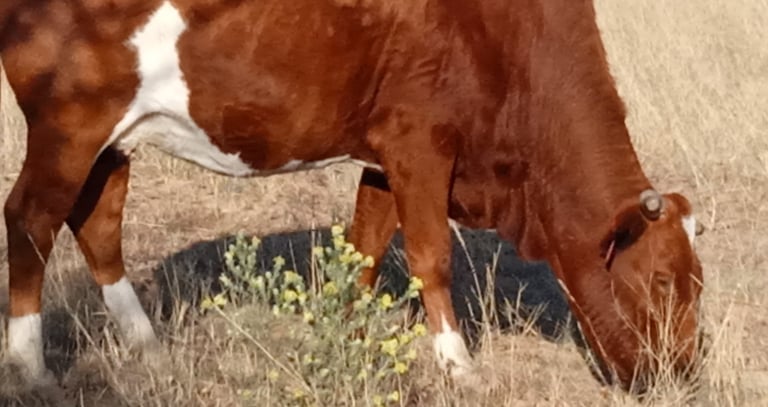
What Do Cows Eat? The Surprising Science Behind Cattle Nutrition & Health
We picture cows grazing idyllic pastures – and yes, grass is essential. Still, cattle feeding requires meticulously calculated science. Cattle feed fuels your profits: optimizing milk premiums and grading up beef value. Let’s unravel the mystery of bovine diets and their profound health impacts.
The Rumen: Nature’s Superpower
Evolution crafted cattle as walking fermentation vats with quadripartite stomachs. The star player? The rumen, a 40-gallon fermentation tank hosting billions of microbes. These bacteria and protozoa break down tough cellulose (indigestible to humans) into protein, vitamins, and energy. Translation: cows turn grass into steak thanks to microbial magic.
What’s on the Bovine Menu? Breaking Down Feed Types
1. Forage: The Diet Backbone (70-100%)
Why it’s vital: Fiber fuels rumen health and prevents bloat.
Pasture: Ryegrass, timothy grass, alfalfa, clover. Rich in protein & beta-carotene.
Hay: Alfalfa hay (high-protein) or grass hay (fiber-focused). Winter lifeline.
Silage: Fermented corn/grass. Think "sauerkraut for cows" – moist, nutrient-dense.
Haylage: Semi-dried, fermented grass. Higher moisture than hay.
2. Concentrates: Energy Boosters (0-30%)
Used strategically:
Grains: Corn, barley, oats. Fast energy for milkers & beef finishers.
Protein Meals: Soybean, canola. Supplements poor-quality forage.
Byproducts: Beet pulp, brewers grains. Eco-friendly fiber/filler.
3. Supplements: The Insurance Policy
Bone mineralization (Ca/P), immune response (Se), and fluid balance (NaCl) depend on these essential minerals.
Critical vitamins:
· Retinol (A): Retinal function
· Cholecalciferol (D): Mineral resorption
· Tocopherol (E): Cellular antioxidant**
Always: Clean, abundant water (30-50+ gallons/day!).
Why One Diet Doesn’t Fit All Herds
Diets vary dramatically by purpose:
Dairy Cows: High-energy (grains + alfalfa) to support 25+ liters of milk/day.
Beef Mothers: Pasture/hay + minerals. Low-cost, forage-focused.
Finishing Cattle: Grain-heavy (60-80% corn) for marbling pre-harvest.
Age, pregnancy, and season also dictate menus.
Optimize Cattle Care: How Breed-Specific Nutrition Dictates Herd Health
Fueling Herd Health: Why Cattle Nutrition is Non-Negotiable
For every cattle breed, from hardy Highlands to high-yielding Holsteins, one truth reigns supreme: diet directly dictates health and performance. Getting cattle nutrition wrong doesn't just slow growth – it triggers costly and preventable health crises. Proper cattle care starts in the feed bunk.
Common Health Issues Rooted in Nutrition (and How to Prevent Them):
Acidosis: A painful digestive meltdown caused by switching cattle feeds too abruptly, especially high-grain rations. Prevention: Always make gradual feed transitions over 7-14 days.
Bloat: Dangerous gas buildup often linked to low-fiber diets or sudden access to lush legumes like alfalfa. Prevention: Ensure balanced forage intake and manage pasture access carefully.
Milk Fever (Hypocalcemia): A life-threatening calcium crash around calving. Prevention: Implement targeted pre-calving mineral supplements for dry cows.
Weakened Immunity: Deficiencies in Vitamins A, E, or Selenium leave herds vulnerable. Prevention: Provide consistent quality forage supplementation and balanced minerals.
Stunted Growth: Calves and young stock simply can't thrive on low protein or energy rations. Prevention: Offer age-tailored feed rations meeting specific growth demands.
The Golden Rule of Cattle Nutrition: Your herd's rumen microbes are the engine of digestion. They need 7-10 days to adjust to significant diet changes. Rushing cattle feed transitions is inviting digestive disaster. Patience is paramount for optimal cattle care.
Smart Cattle Care = Proactive Nutrition: Investing in precise cattle nutrition, tailored to your cattle breed and life stage, isn't an expense – it's the foundation of profitable and sustainable cattle care. Prevent problems before they start by fueling your herd right.
Farmer Wisdom: Feeding Best Practices
Forage Analysis Essential: Crude protein and metabolizable energy show extreme variability in conserved forages (hay/silage).
Avoid Spoilage: Moldy hay = mycotoxicosis (fatal).
Critical welfare standard: Unrestricted feed access for socially vulnerable cattle.
Grass-Fed Reality: Requires premium pasture management – not just "no grain."
FAQs: Your Top Cattle Diet Questions Answered
What’s the BEST feed for cows?
It depends. Beef cows thrive on pasture/hay; dairy cows need grains. Always balance forage, energy, and protein.Is corn SAFE for cows?
Yes – in moderation. Overfeeding corn causes acidosis (rumen pH crash).Why feed grain if cows eat grass?
Grains deliver concentrated energy – critical for high milk yields or efficient beef growth.Can cows eat fruits/vegetables?
Occasional apple cores or carrot tops? Fine. But never replace hay/silage – sugar disrupts rumen health.Do cows NEED supplements?
Absolutely. Modern forages lack key minerals. Salt + phosphorus + vitamins are non-negotiable.Grass-fed vs. Grain-fed beef – what’s the difference?
Grass: Leaner, higher Omega-3s, distinct earthy flavor.
Grain: More marbling, buttery taste, faster to market.
What should cows NEVER eat?
✓ Meat products (BSE vector)
✓ Chocolate (methylxanthine poisoning)
✓ Aerobically spoiled fodder
✓ Post-mowing grass (clostridial risk)How much WATER do cows drink?
30-50+ gallons daily – more than a bathtub! Dairy cows in peak lactation consume 75+ liters of water rapidly post-milking.Benefits of rotational grazing?
Healthier pastures, reduced parasite loads, and 30% higher grass productivity.How do I ensure my cows get proper nutrients?
Your cattle wellness triad:
👨🔬 Work with feed science pros
🔬 Test every batch of hay/silage
📊 Track cow fat cover scores
The Bigger Picture: Your Steak’s Backstory
What cows eat ripples beyond the farm:
Agroecological trade-off: While regenerative grazing enhances soil organic carbon (SOC) stocks, grain-based finishing systems exert lower deforestation pressure through superior land-use efficiency.
Ethics: Diets enabling natural grazing (chewing cud, foraging) = critical for welfare.
Your Health: Grass-fed beef has more Omega-3s; grain-fed offers more monounsaturated fats.
Final Thought
Cows don’t just "eat grass." They consume meticulously crafted rations engineered by farmers, vets, and rumen microbes. The payoff? Thriving herds, cream-top milk, steakhouse-quality beef, and future-proofed farming. Now that’s something to chew on.

Connect
Join us for cattle education and resources.
Explore
Learn
info@rumenrules.com
© 2025. All rights reserved.